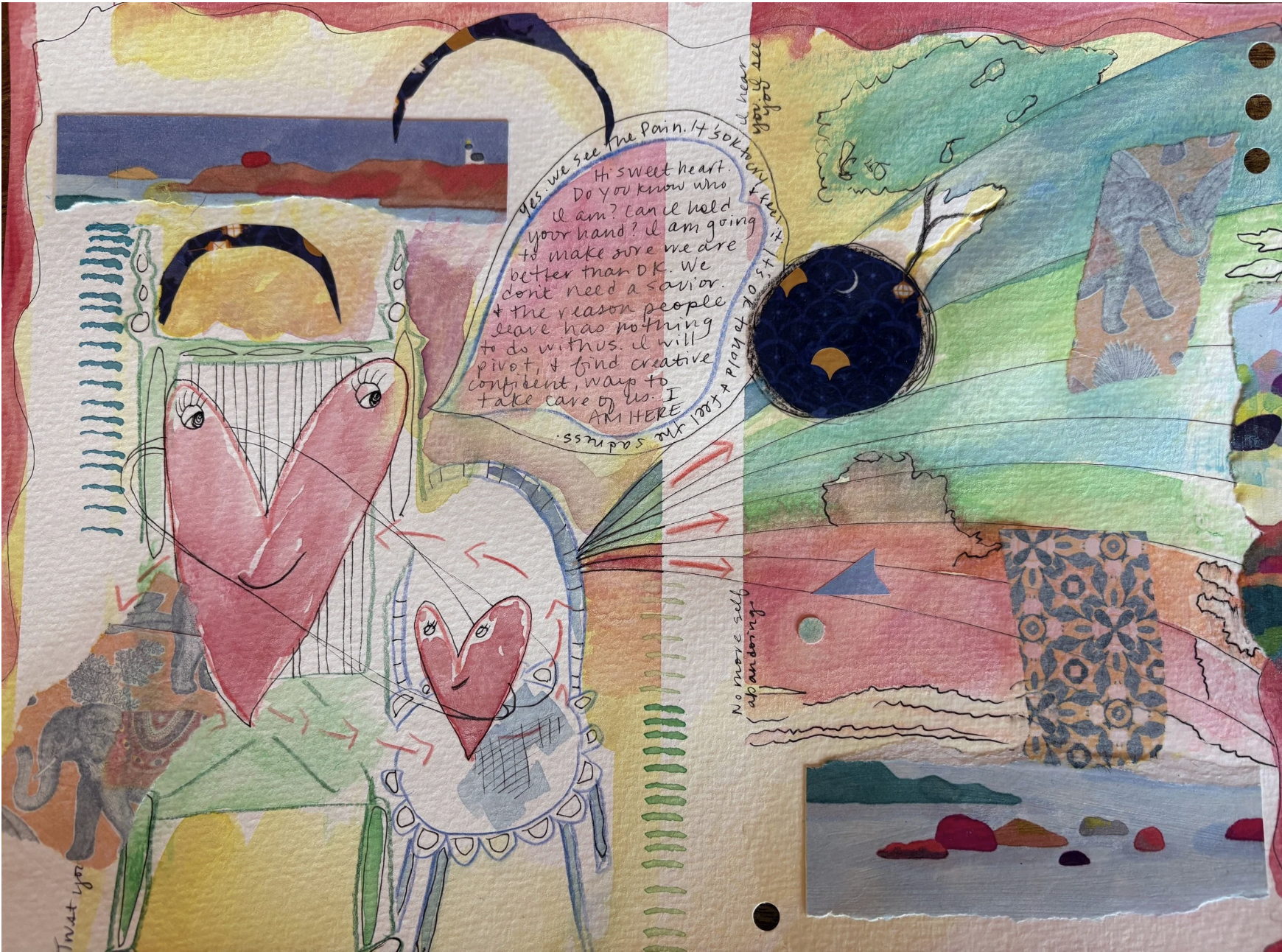
In this episode of Becoming Relational, we explore shame, self abandonment, and how breaking people-pleasing patterns can transform your relationships. I'm sharing honestly about something that took me years to understand: how shame and self abandonment are deeply connected. I explore my own experience of hitting rock bottom and the slow, sometimes painful journey of finding my way back to myself. We talk about how so many of us have been socialized to put everyone else first, why the word "selfish" can feel the worst thing you could be called, and what it actually takes to stop abandoning yourself in relationships. I also open up about how changing my own patterns shifted the way others showed up for me — and why I believe that's worth every bit of discomfort along the way.
Read MoreSelf-abandonment, people-pleasing, insecure attachment—in this episode, I'm exploring a pattern I see every single day in my therapy and coaching practice, and one I've struggled with myself.
Read MoreToday, I’m sharing about my personal journey with self-worth and confidence, and how attachment theory has supported me in navigating unworthiness and insecurity. I’ve been wrestling with feelings of unworthiness lately, a familiar struggle with believing that I belong and that what I offer truly matters. If you've ever felt like you're not enough or wondered how to show up authentically when self-doubt takes hold, I hope this episode supports you. I explore the transformative question that changed everything, shared with me by a former therapist. I also offer practical strategies for building self-trust from the inside out, setting healthy boundaries, recognizing when we're seeking external validation to fill internal emptiness, and cultivating the self-compassion and emotional security we all deserve.
Read MoreToday I’m exploring relationship repair, secure attachment, and relationship disconnection—and why investing in the relationships you already have, rather than constantly searching for something new, might be the most revolutionary choice you can make. Let’s discuss how to navigate relationship disconnection, practice intentional repair, and build resilient, secure relationships through accountability and compassion.
Read MoreLet’s explore nervous system regulation and how understanding your unique nervous system can transform your relationships and daily life. I discuss attachment styles, nervous system health, and practical tools for emotional regulation that you can use right away.
Read MoreBuilding capacity for stress is a skill that supports all of our relationships—and helps us cope more effectively with our daily challenges and our greater emotional landscape. This type of work is especially important in the context of attachment theory, relationships, and attachment styles: we can ALL use skills that support us in engaging in relationships with a greater capacity for discomfort.
Read MoreMy oldest son (who is almost 6 now, for those of you who have been with me a long time!) had a Halloween parade at school. Naturally, he dressed as Leonardo from the Ninja Turtles (and the rest of us were his turtle entourage on Halloween night). The night before the parade, he asked me, “Mom, what if someone else is dressed as a ninja turtle in the parade? Will you know it’s me?”
Read MoreI remember so many times in my early romantic relationships (and honestly, some adult friendships) when I truly did ignore all the warnings, some of them as blatant as “I do not want to be in a relationship right now.”
Read MoreSafety, clarity, and connection are qualities that create a grounded experience in the nervous system. When confusion and disorientation are corrected (clarity), the body and brain feel safe (safety), and the ability to connect is freed up (connection). Over the many years I’ve been exploring attachment work and supporting clients in developing a felt sense of safety in their bodies, these are the aspects that have resonated most.
Read MoreOne of the things I share with clients all the time is the reminder that we come by our attachment patterning honestly. When we dig more deeply into this idea, we can recognize the importance of the family dynamics we experience when we are young and how those patterns shape our relationships as adults. So often, the stress of daily living becomes the soup we swim in as children.
Read MoreTwenty years ago, I had just turned 18 and my dad hadn’t died yet.
I was preparing to move for my first year of college. I was working as a hostess at a restaurant, eating baguette and butter for dinner most nights I was there. I was in a relationship with a person who was exceptionally intelligent and emotionally manipulative, and I felt like I didn’t deserve anything more than I already had, in that relationship or otherwise. My self-esteem was tanked and I was depressed.
This blog post is a follow-up to a previously published post, Is Your Partner Avoidant or Abusive? Let’s talk about the differences. This post continues to receive comments and engagement, and I want to continue the discussion here with additional nuance and updated considerations.
Read More